
Branding in 2026: Why Authenticity and Clarity Matter More Than Ever
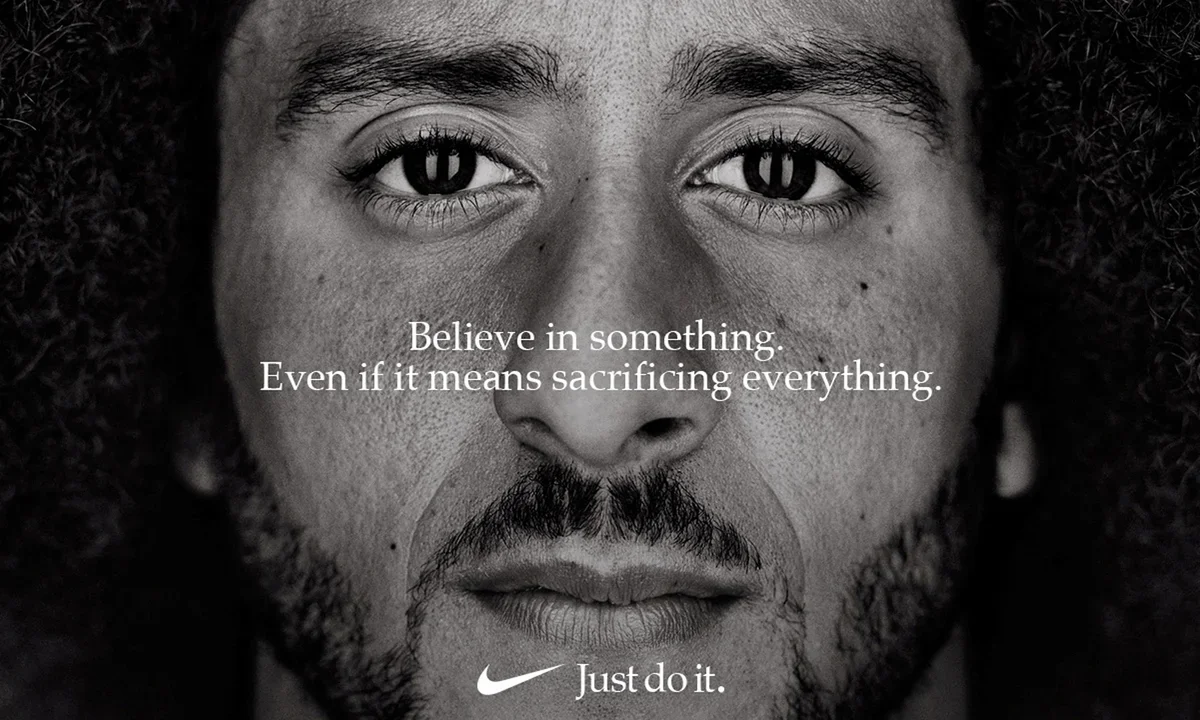
Nike Ad from 2018 that still resonates today
Five years ago, I started my business because I believed good design could make things feel clearer, calmer, and more human. I wasn’t chasing scale or building toward a specific version of “success.” I just knew I didn’t want to participate in marketing that relied on pressure, confusion, or manufactured urgency.
Five years later, the world feels heavier. Trust is fragile. People are tired of being sold to, optimized, and funneled. And a lot of the branding advice circulating right now feels disconnected from the reality most business owners are actually navigating.
So when we talk about branding trends for 2026, I don’t think the most important question is what’s going to perform best. I think the real question is:
what’s going to feel honest, grounding, and sustainable in a time that feels anything but?
Why branding “trends” feel strange right now, but still matter
I’ve always been skeptical of trends. Chasing them blindly tends to flatten nuance and push businesses into shapes that don’t actually fit. But trends do tell us something useful when we stop treating them like instructions.
Trends are signals. They reflect what people are craving, resisting, or growing tired of.
Right now, the signal is clear: people want clarity. They want honesty. They want to understand who they’re engaging with and why.
That shift is showing up across branding and websites in a way that feels less like a style change and more like a correction.
Branding trends shaping 2026 (and why they’re really about trust)
I hesitate to even call these trends. They feel more like long-overdue recalibrations.
Clarity over cleverness
In 2026, websites that perform well are not the ones trying to be the smartest or most impressive. They’re the ones that explain what they do clearly, in plain language, without making people work to understand them. Clarity is no longer boring. It’s respectful.
Human tone over performed brand voice
Over-crafted messaging is losing its edge. What’s resonating now is specificity, warmth, and a sense that a real person is behind the words. You don’t need to sound polished. You need to sound honest.
Smaller audiences, deeper trust
Not every business needs to scale. Not every brand needs to reach everyone. Many of the most stable businesses I see are choosing resonance over reach, and building trust with a smaller, more aligned audience.
Websites as orientation, not pressure
A website doesn’t need to function like a sales machine. At its best, it helps someone feel oriented. It answers questions. It reduces friction. It creates steadiness instead of urgency. That kind of clarity builds trust far more effectively than any conversion trick.
Authentic branding in 2026 isn’t aesthetic, it’s structural
This is where authenticity often gets misunderstood.
Authentic branding isn’t a vibe. It’s not a color palette or a casual tone. It’s not sharing more or being louder online. Authentic branding is alignment.
It’s whether what you say, what you offer, and how your website functions actually match where your business is right now.
When those things are out of sync, people feel it even if they can’t articulate why. In uncertain times, that misalignment becomes more noticeable. People are less patient with being pushed, rushed, or talked around. They’re looking for brands that feel clear, honest, and intentional.
That’s not something you can copy. It’s something you build.
What authentic branding looks like in practice
When authenticity is treated as alignment instead of performance, it shows up clearly across industries and scales.
Here are a few real-world examples that illustrate what’s working right now.
Clear communication over clever positioning
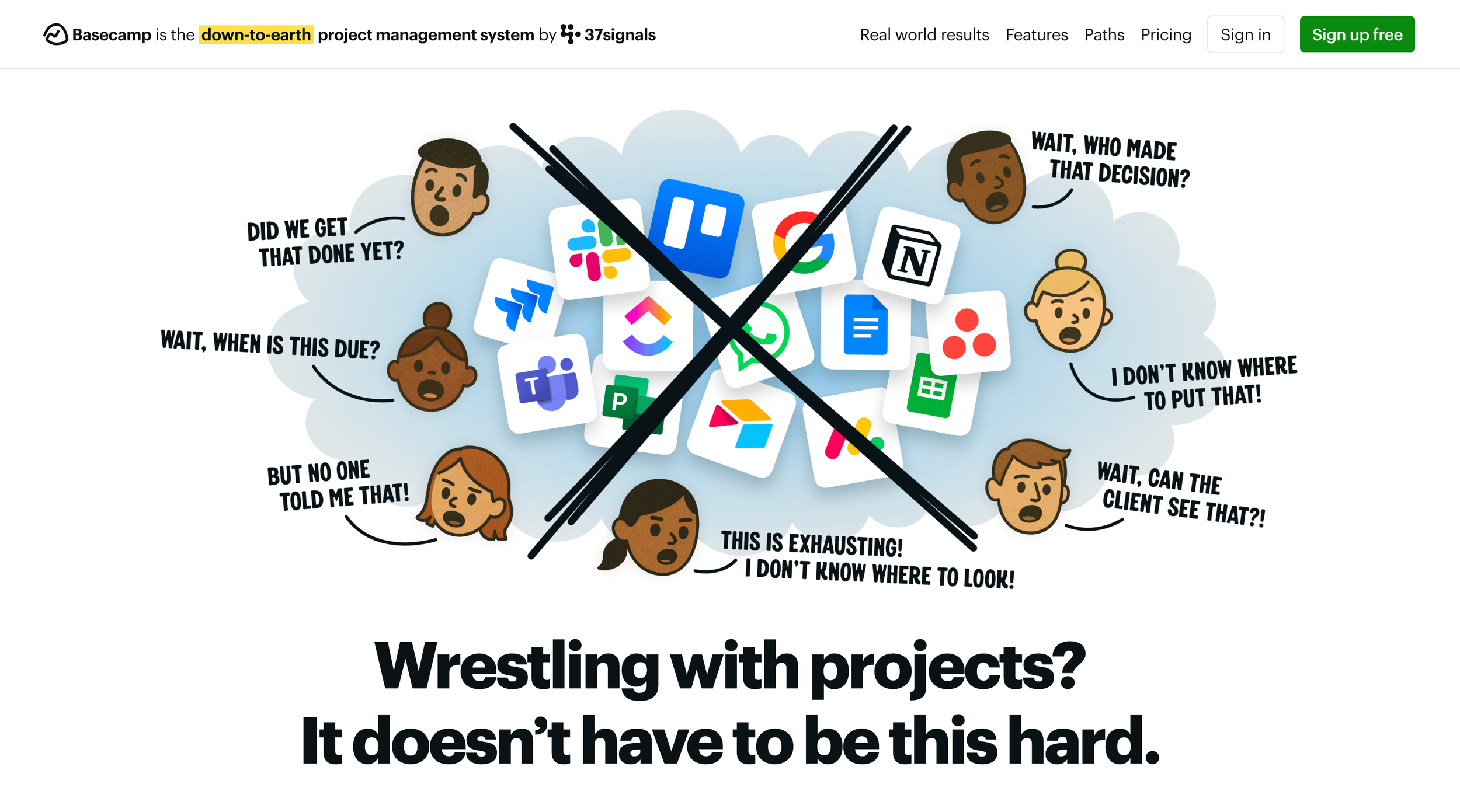
Basecamp Homepage Hero Image
Basecamp has long resisted growth-at-all-costs thinking, but what stands out most is how clearly they communicate. Their website doesn’t try to impress. It explains. Their language is plain, opinionated, and direct about who the product is for and who it isn’t.
That clarity builds trust. People don’t land on their site wondering what they do or how they feel about it. They know immediately.
In 2026, this kind of clarity is outperforming trend-heavy design because it respects people’s time and attention.
Alignment between values, messaging, and action
Patagonia is often cited as an example of values-led branding, but what makes it effective is consistency. Their messaging, business decisions, and website experience reinforce each other.
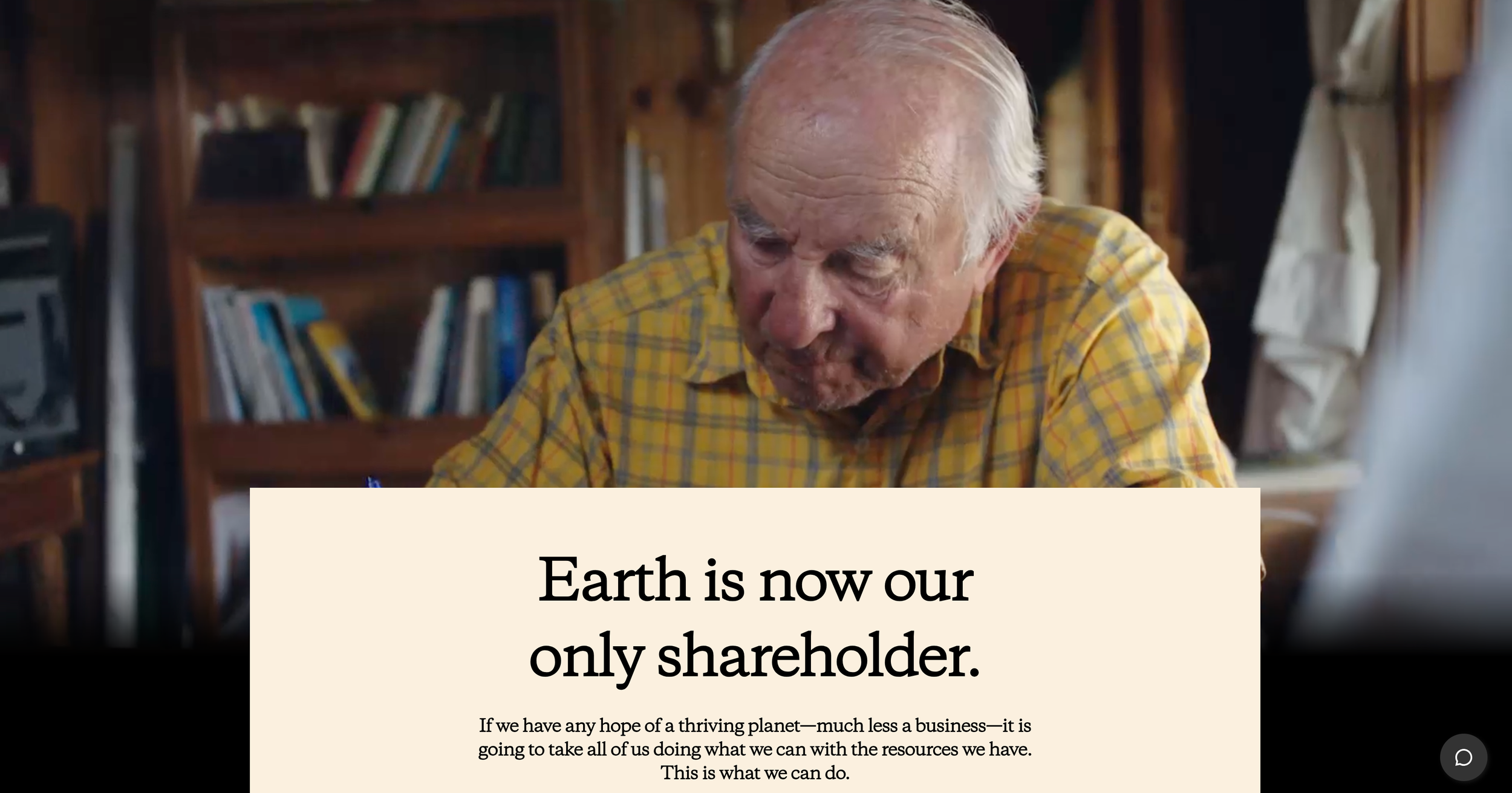
Patagonia claims that Earth is their only shareholder
The site isn’t just telling a story. It’s orienting the user around what the company stands for and how it operates. That alignment is what creates credibility, not any single campaign or visual style.
This matters because people are increasingly skeptical of brands that say the right things without backing them up structurally.
Smaller brands choosing resonance over reach
Some of the strongest examples of authentic branding aren’t household names at all.
I see smaller service-based businesses and independent brands intentionally narrowing their audience, simplifying their websites, and communicating more honestly about what they offer and how they work. Their sites are clearer. Their messaging is calmer. Their growth is slower, but steadier.
These brands aren’t chasing visibility for its own sake. They’re prioritizing trust, usability, and sustainability. And that approach is holding up well as algorithms, platforms, and attention spans continue to shift.
When misalignment becomes visible
On the other end of the spectrum, we’re seeing what happens when innovation outpaces intention.
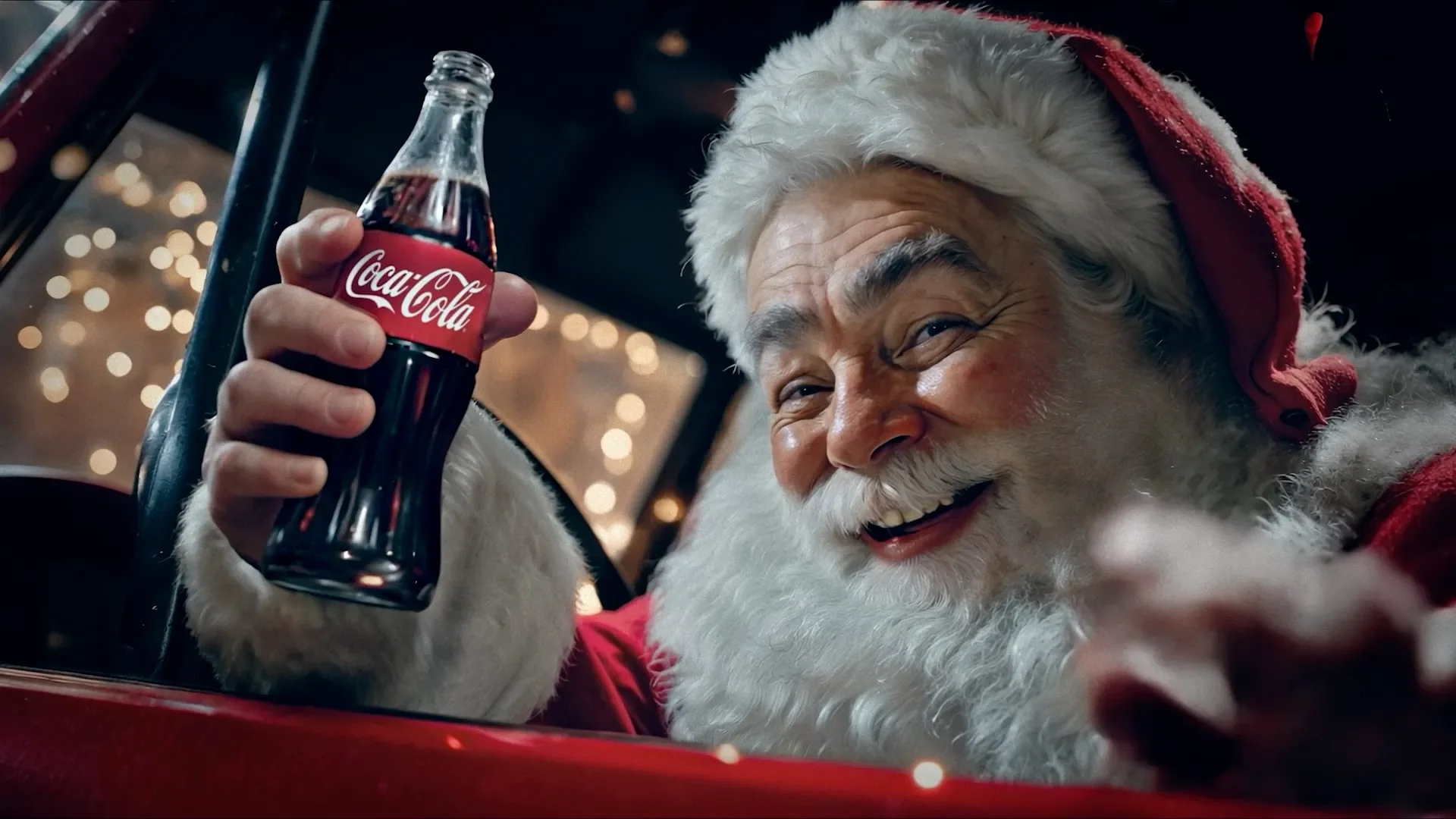
Still from the Coca-Cola Ai Holiday Ad
A recent AI-generated holiday campaign from Coca-Cola sparked criticism not because of the technology itself, but because it felt disconnected from the brand’s long-standing emotional storytelling. The reaction wasn’t anti-technology. It was a response to misalignment.
This is an important distinction. People aren’t rejecting tools, polish, or experimentation. They’re rejecting messaging that feels hollow or disconnected from a brand’s core identity.
What this means for branding and websites in 2026
After five years of doing this work, the thing I believe more strongly than ever is this:
you don’t need louder branding. You need truer branding.
Businesses that will feel steady in 2026 are the ones that communicate clearly, design their websites with care, and make decisions rooted in alignment instead of urgency. Authentic branding in 2026 is about clarity, usability, and trust, not trends or performance metrics alone.
If this way of thinking resonates, I share more reflections like this, along with practical guidance, through my occasional emails. And if you’re feeling unsure whether your website or brand is communicating as clearly as it could, I offer strategy sessions focused on clarity, alignment, and next steps that actually make sense for where your business is now.
