
Branding That Sticks: How Nikki Holbrook Helps Businesses Become Recognizable
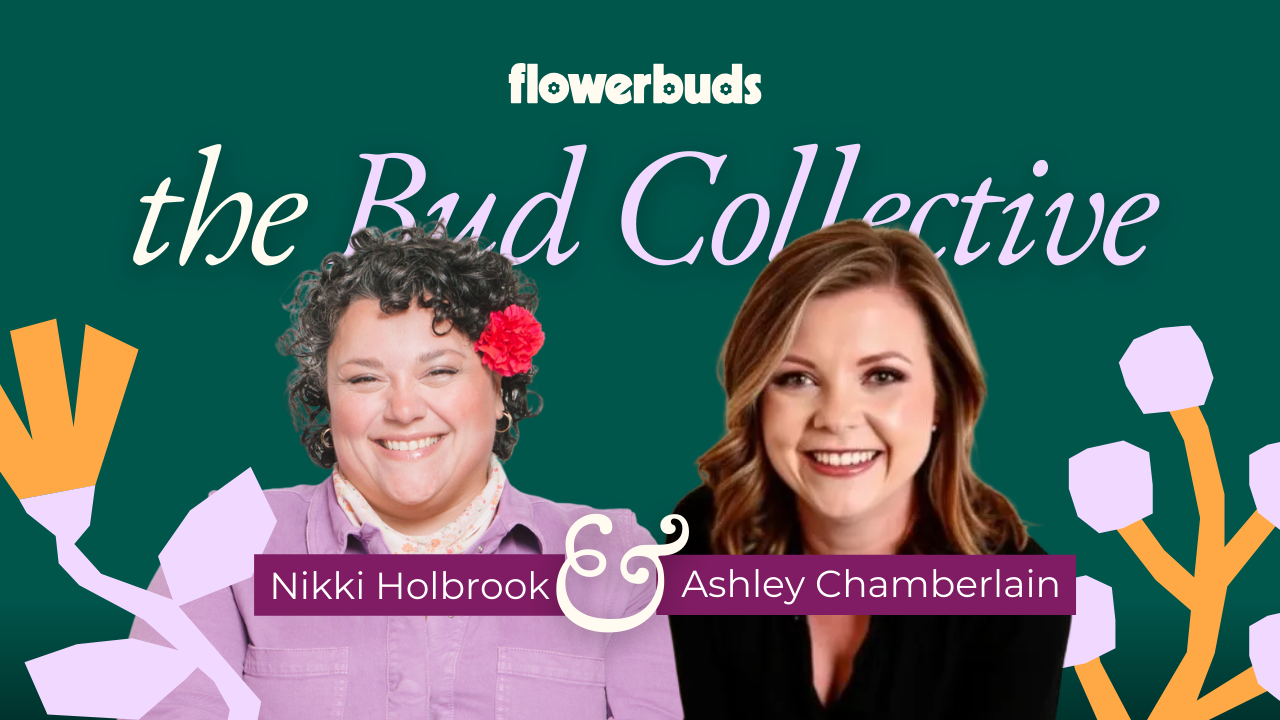
The Bud Collective is a curated series of interviews featuring Nikki Holbrook, founder of Flower Buds Creative, in conversation with podcast hosts, as well as interviews with Nikki and her own clients. Focused on the art and strategy behind branding and web design, the collection dives into Nikki’s process, client transformations, and the stories behind building standout online presences for women-led businesses.
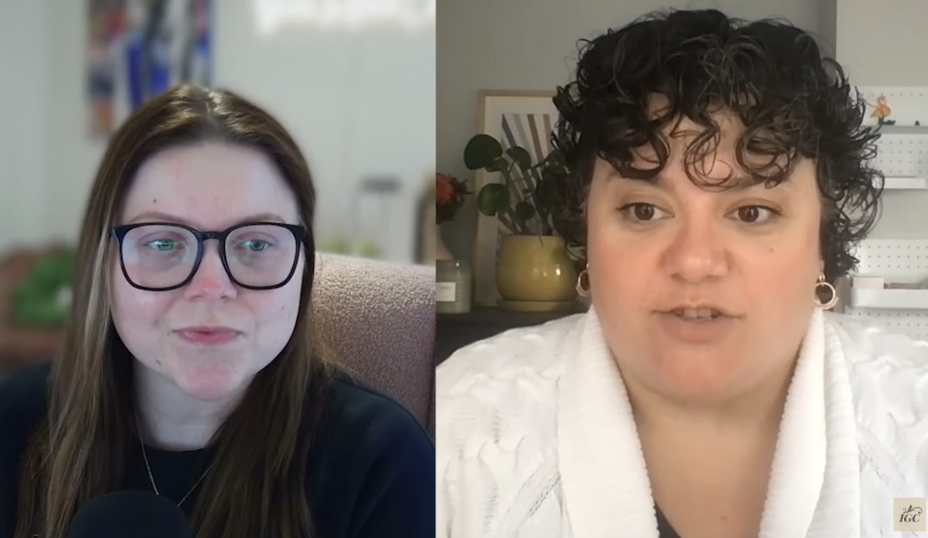
In this installment of Flower Buds Creative’s interview series, founder Nikki Holbrook joined host Ashley Chamberlain on In Good Company, Louisville which is a podcast for expert advice and actionable tips to grow your business. Each episode digs into how entrepreneurship meets inspiration.
Ashley’s Intro: “Want a brand that finally reflects who you really are? In this episode, Ashley sits down with Nikki Holbrook, founder of Flower Buds Creative Branding Studio, to unpack the real reasons your online presence might not be attracting the clients you want. Branding tips, online presence strategy, color psychology, font psychology, brand consistency, and how to build an authentic brand, Nikki breaks it all down.”
If someone can scroll past your post, land on your website, or hear your name once… and still not remember you later, that’s not a “marketing problem.”
That’s a brand problem.
In a recent conversation, Nikki Holbrook, founder of Flower Buds Creative, broke down what actually makes a brand work—not just look pretty. The takeaway was simple: if you want to keep growing and create repeat customers, you want people to think of your name and your brand automatically.
And in 2026, that matters more than ever.
The “Vibe Later” Trap (and Why It Catches So Many Entrepreneurs)
So many business owners start the same way: they’re talented, they’re motivated, and they’re ready to sell. The visuals feel secondary. Like it’s something to “clean up later.”
You throw together a logo, pick a font, maybe order business cards because it feels official (and honestly, it is a cool moment). But then the business grows… and suddenly the brand that felt “good enough” starts to create friction.
The classic sign?
People don’t fully understand what you offer, or they don’t realize your different offers are connected.
When your podcast, your services, and your online presence don’t visually communicate the same story, your audience has to work too hard to put the pieces together. And when people have to work for clarity, they usually just… move on.
What a Strong Online Presence Looks Like in 2026
Nikki’s answer wasn’t “be everywhere” or “post every day.”
She explained that a strong online presence can look different depending on your strengths. Some people lean into social media, some into blogging, some into networking. But no matter what your marketing mix is, the foundation has to be solid.
A strong online presence starts with:
Consistency (colors, typography, logo variations, imagery style)
A website that functions as your home base
Clear communication of your mission + values
Marketing that feels human (not generic)
Your website isn’t optional. It’s the one platform you truly control. Social platforms shift, algorithms change, and trends fade, but your website is where people go to decide if they trust you.
And trust is the whole game.
The Biggest Branding Mistake Nikki Sees (It’s Not What You Think)
Most people assume the biggest mistake is having an “ugly” brand.
But Nikki says the bigger mistake is thinking branding is only about looking good.
Because a good brand isn’t just aesthetic—it’s strategic.
If you’re choosing colors and fonts based only on what you personally like, you might accidentally repel the very clients you want to attract.
Nikki put it plainly:
There’s a science behind creating a brand that draws in the right people (your ideal clients, your best-fit buyers, the customers you actually want to build with long-term).
When entrepreneurs skip the deeper work—like defining:
mission
core values
ideal audience (real avatars, not vague “women ages 25–55”)
brand personality and voice
…their visuals become disconnected from their message.
And that disconnect shows up everywhere: website, social media, even word-of-mouth.
Why Fonts and Colors Aren’t “Tedious” (They’re Psychological)
It’s easy to roll your eyes at font conversations until you realize this:
Fonts communicate emotion.
Colors communicate energy.
Design communicates trust.
Nikki explained it in a way that makes it instantly click:
Rounded, softer fonts can feel more approachable and friendly.
Sharper, blockier fonts can feel more modern, bold, or “techy.”
Certain color palettes read “earthy and grounded,” others read “luxury,” others read “playful,” others read “corporate.”
And yes, readability matters too. Nikki recommends Google Fonts because they’re accessible, web-safe, and designed to look good across platforms.
In other words: your design choices aren’t random. Your audience is interpreting them whether they realize it or not.
Women-Owned Doesn’t Mean “Make It Pink”
One of the most refreshing parts of Nikki’s perspective is how clearly she rejects the “just feminize it” approach.
She shared a story from her past work in the motorcycle industry where women’s gear often got the lazy treatment: “make it smaller and turn it pink.”
Branding doesn’t work that way.
If you’re a women-owned business but you want to attract everyone, Nikki’s process focuses on:
your demographics and goals
what your audience already trusts
what your offer needs to communicate
how to balance professionalism and personality
It’s not about leaning into femininity as a default. It’s about aligning your visuals with your mission and values, then translating that into a design that feels authentic and magnetic.
How Nikki Builds Brands (and Why It Works)
Nikki doesn’t start with “pick a palette.”
She starts with a strategy.
Her process includes creating real client avatars (complete with lifestyle, interests, values, and the kinds of brands they already trust) then building a mood board and brand direction that connects the dots between:
who you are
who you serve
what your audience is drawn to
what will make you recognizable
The goal isn’t to look like everyone else in your industry.
The goal is to be instantly identifiable.
Because recognizable brands don’t just attract new clients, they create repeat customers. They become memorable. They earn trust faster. They feel like the “safe choice” and the exciting one.
Signs You Might Need a Rebrand (or at Least a Refresh)
If you’re wondering whether this is you, here are some of the red flags Nikki looks for right away:
Your website pages feel like they were built at different times by different people
Your visuals are inconsistent across platforms
Your communication style changes depending on where someone finds you
Your brand feels “flat” even if you technically have colors and fonts
People don’t understand what you do quickly
People say things like, “Oh—I didn’t realize you offered that.”
If your brand isn’t communicating clearly, your marketing will always feel harder than it needs to.
One Simple Branding Improvement You Can Make Today
Nikki’s advice was refreshingly doable:
Progress over perfection. Don’t boil the ocean. Start with one thing.
And if you already have a website, make it this: Fix the “hero” section on your homepage.
That top section—the very first thing someone sees—should clearly answer:
Who are you?
What do you do?
Who is it for?
Nikki recommends having a strong H1 headline (your primary website header) that is:
short
clear
keyword-aware (what people are actually searching)
easy to understand in three seconds
Because if someone can’t figure you out immediately, they won’t stick around long enough to be impressed.
A Supportive Brand Experience
What sets Nikki apart is how she describes the work: not as a “done-for-you logo,” but as a coaching-guided creative process.
So many business owners feel overwhelmed trying to DIY their branding. They end up with 20 Pinterest boards, analysis paralysis, and no real clarity.
Nikki’s approach removes the noise.
She doesn’t just hand you choices and say “pick what you like.” She helps you understand why something works so that you leave the process with confidence, not confusion.
And that’s the difference between getting a brand and becoming a brand.
Want to Know Where Your Brand Stands?
Nikki offers a Brand Improvement Quiz that helps business owners figure out what their next best steps are—whether they’re DIY-ing for now or ready to outsource.
It’s designed to give you a simple, actionable list you can start using immediately.
Because you don’t need to do everything today.
But you do need to start.
To listen to Nikki’s whole interview on In Good Company, Louisville, you can find it in all of these places (and more):
